
What Is a Good Flag Material? Polyester vs Nylon vs Cotton
A good flag material means polyester, nylon or cotton, and each one wins somewhere. Compare lifespan, printing, colour and cost before you order a flag.
By the Flag Maker team
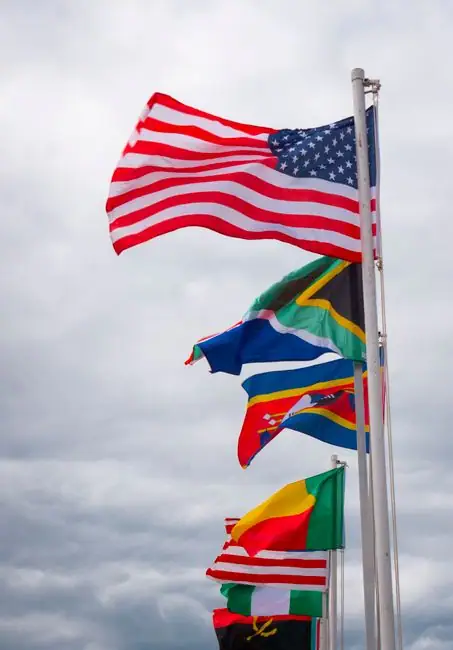
A good flag material is spun polyester for strong wind, nylon for light wind and bright colour, and cotton for indoor or ceremonial flags. Nearly every flag you see outdoors is made of one of those two synthetics, because both shed water and hold dye better than natural fibre does.
Vinyl sits outside that group. It is a plastic sheet used for banners and fence signs, and it does not fly.
The choice matters before you order, not after. If you are working out how to get a design printed as a flag, the fabric sets your price, how long the flag survives and how your colours read in daylight.
Polyester, nylon, cotton and vinyl compared
| Material | Best for | Feel and look | Watch out for |
|---|---|---|---|
| Spun polyester | Windy, exposed sites | Thick, matte, cotton-like | Heavy, needs more wind to fly |
| Nylon | Light wind, everyday flying | Light, slight sheen | Wears faster in constant wind |
| Cotton | Indoor and ceremonial flags | Soft, flat, no shine | Soaks water, fades, can mildew |
| Vinyl or PVC mesh | Banners and signage | Stiff plastic sheet | Not a flying fabric |
Polyester is a synthetic fibre. In flag form it usually comes as two-ply spun polyester, sold by weight in ounces per square yard. The heavier the cloth, the more wind it takes before the edges start to go.
Nylon is the lighter synthetic. It is normally sold by denier, a thread weight number, and outdoor flag nylon is often listed at 200 denier. It dries quickly and lifts in a breeze that leaves a polyester flag hanging.
Cotton is a natural fibre with a flat, soft look and no sheen. Older flags were made of wool bunting for the same reason: it looked right. Both absorb water and lose colour in sun, so they belong inside.
How long each material lasts outdoors
Anyone who gives you one number is guessing. Lifespan depends on wind speed at your site, hours of direct sun, rain, salt or grit in the air, and how many hours a day the flag is up.
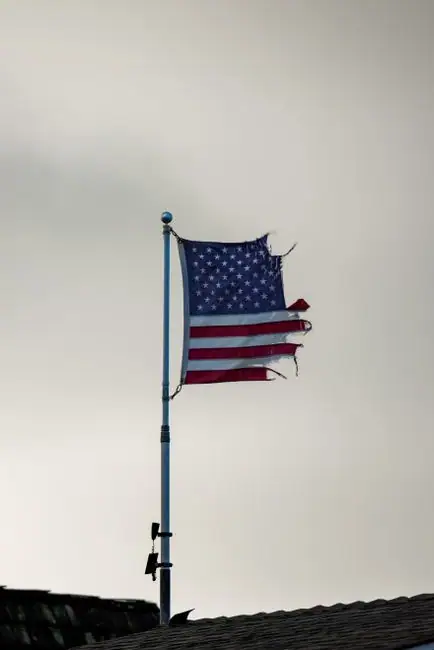
A flag flown around the clock on an open rooftop or coast can be ragged in a few months. The same flag flown part time in a sheltered yard can go well past a year. Suppliers publish their own estimates, so ask for theirs and treat it as a range rather than a promise.
The fly end always fails first. That outer edge whips hardest, so it frays, then the stitching lets go and the tear runs inward. Four rows of stitching there outlast two.
Fading is the other clock. Strong reds and purples tend to show sun damage before dark blues do. Flying two flags in rotation, and taking one down in storms, buys more life than any fabric upgrade.
Single sided or double sided printing
On a single sided flag, one layer of fabric carries the print and the image shows through on the back as a mirror image. The front and back of a flag have names, the obverse and reverse, and on single sided cloth they are the same artwork flipped.
Stripes, crosses and most symbols look correct either way. Words do not. Any text reads backwards from behind.
A double sided flag uses two printed layers with a blockout liner between them. Text reads correctly on both faces, but the flag costs more, weighs more and needs more wind to open up. Designing without words is the cheaper fix.
Keep detail away from the hoist edge as well. An inch or two disappears into the header or pole sleeve, whatever fabric you pick.
Which fabrics show colour best
Polyester wins on print quality. Dye sublimation bonds the dye into polyester fibre, which means full colour artwork, gradients and photographs are all possible. The same process does not work on cotton.
Nylon wins on brightness in use. The slight sheen makes colours look lit from behind when the sun is on the other side of the flag. Nylon is more often screen printed or dyed, which suits a handful of flat spot colours rather than a detailed image.
Cotton gives the most muted result of the three. That is sometimes the point, especially for a historical or hand sewn flag.
Fabric does not rescue a weak palette. Two or three strong colours beat six soft ones at distance, and choosing colours with meaning is worth doing before you think about cloth.
Indoor, parade and ceremonial flags
Indoor flags live in still air, so weight stops mattering and finish takes over. They usually hang from a pole hem, often with fringe on three sides, and heavier nylon, polyester knit or cotton all work.
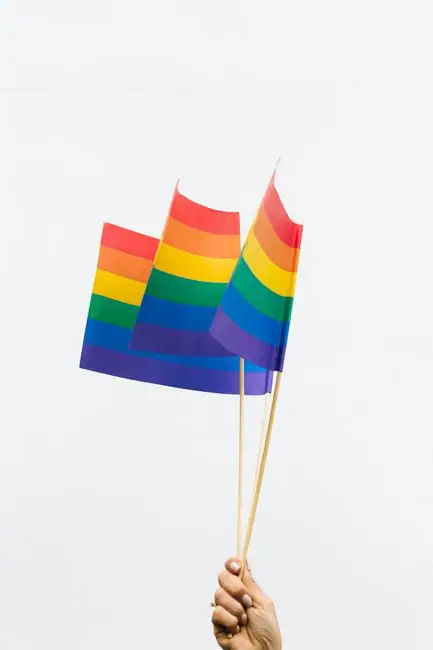
Parade flags are small and mounted on a hand staff. Light nylon or thin polyester is standard, because the flag has to move when someone walks rather than when the wind blows.
Desk and garden flags are a third case again. Size drives the decision as much as fabric, and picking a size for a yard or a desk comes first.
What to ask a supplier before you order
- What fabric is it, and at what weight or denier?
- Single sided or double sided, and will my text read correctly on both faces?
- Which print method: dye sublimation, screen print or dyed cloth?
- How is the fly end finished, and how many rows of stitching?
- Header with grommets, or a pole sleeve?
- Can you match specific colour references?
- What file type and size do you need from me? The short answer on printing a flag you design covers what to send.
- Is there any replacement or wind policy?
Design it first, then choose the cloth
Fabric is a decision you make once the artwork is settled. Build the flag in Flag Maker on the home page, keep the shapes bold and the colours few, then take that file to a printer and ask the eight questions above.
Frequently asked questions
What is a good flag material for outdoor use?
Heavy spun polyester is the usual pick for windy, exposed sites because the fabric is thick and takes abrasion well. Nylon suits sheltered gardens and low wind, since it is lighter and lifts in a small breeze. Both shed water and hold dye far better than cotton, which is why almost every outdoor flag is made of one of them.
What are the best flags made of?
Most good flags are made of woven polyester or nylon. Polyester is heavier and tougher, so it lasts longer in strong wind. Nylon is lighter, has a slight sheen and flies more easily. Cotton and wool bunting are still used for indoor and ceremonial flags, where looks matter more than weather resistance. Vinyl is a banner material and does not fly.
Is nylon or polyester better for a flag?
It depends on your wind. Nylon is the better flyer because it weighs less, and it looks bright when sunlight passes through it. Polyester is the better survivor because the fabric is thicker and resists tearing at the edges. If your flag sits on a rooftop, a coast or an open field, choose polyester.
How long does a flag last outdoors?
There is no fixed figure. Lifespan depends on wind speed, hours of sun, rain, grit in the air and how many hours a day the flag flies. A flag on an exposed pole flown around the clock can wear out in a few months, while the same flag flown part time in a sheltered yard may last well over a year.