
Flag design for kids: a classroom activity that works
A flag design activity for kids that fits one 30 minute lesson: simple rules, prompts for a class or family flag, and ideas for displaying the flags.
By the Flag Maker team
Flag design for kids is one of those activities that looks loose and works much better with tight limits. Hand a class blank paper and twenty minutes and you get twenty drawings. Hand them a fixed rectangle, three colors and one rule about no words, and you get flags. What follows is a make your own flag activity that fits a single 30 minute lesson, at school or at the kitchen table, with nothing but paper and markers. There is a screen version further down.
A 30 minute flag activity, start to finish
Minutes 0 to 5: look at three real flags
Show Japan, Canada and Switzerland. A white field with one red circle. One red leaf between two red bands. A square flag with a white cross. Ask the group which of those three they could draw from memory right now. Every hand goes up, and you have made the point of the lesson without stating it.
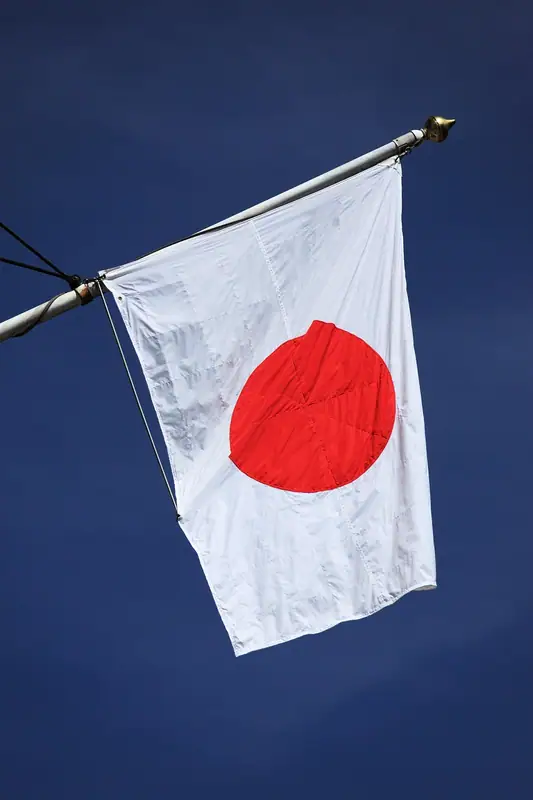
Then show a flag with a detailed seal in the middle, or one with writing across it, and ask the same question. The contrast does the teaching for you.
Minutes 5 to 10: hand out the paper and the rules
Draw one plain rectangle, half again as wide as it is tall, and photocopy it. That blank box is your printable, and two per sheet is enough for most classes. Using one fixed shape ends the “can mine be a circle” conversation before it starts, and it matches how real flags work, since flags are made to set proportions rather than any shape the designer feels like.
Read the rules out, write them on the board, and leave them there.
Minutes 10 to 25: draw
Fifteen minutes of quiet drawing is plenty. Walk around with two questions. What does this part stand for? Could the person next to you draw your flag after looking at it once? Both questions push kids toward fewer, bigger shapes without you touching their paper.
Minutes 25 to 30: hold them up
Tape the flags to the board and have everyone stand at the back of the room, or ask each child to hold theirs at arm’s length. The ones that still read from ten feet away have passed the only test that matters for a flag. This is also the moment kids notice their own tiny details vanishing, which teaches more than any correction from you.
Simple rules kids can actually follow
Four rules cover almost everything.
Three colors, no more. Counting is easy to enforce and it forces real choices.
No words and no numbers. Writing a class name across a flag is the first instinct and the first thing to cut.
Big shapes only. If a shape is smaller than their thumbnail, it is too small.
It has to mean something. Every color and symbol needs a reason the child can say out loud.
Those are a trimmed version of the five rules behind good flag design, cut down to what an eight year old can hold in their head. With older students, add a fifth rule: the flag has to look different from flags that already exist. Then let them check their design against a few national flags and watch how often they have accidentally drawn a tricolor that is already taken.
Prompts: a flag for our class, family or treehouse
Open prompts produce drawings. Named groups produce flags. Good ones:
A flag for our class. A flag for our family. A flag for a treehouse, fort or den. A flag for a reading corner or a classroom job. A flag for a sports day team. A flag for an island that nobody has found yet. A flag for the school year, made in September and flown until June.
The treehouse and family prompts work well at home because the child already knows the group and can explain it. The class flag works well in school because the group has to agree, which turns the activity into a negotiation about what the class is actually like. If a group runs dry, a list of starting points for a flag design gives them something to push against.
For kids who want a whole invented world, let them write two sentences of history first and design second. The flag comes out better when there is something to put on it.
Drawing by hand versus designing on screen
Paper wins on speed and variety. No logins, no devices to hand out, no two children waiting for the same laptop. Wobbly edges are fine, since the shapes still read.
Screens win on everything after the first draft. Straight edges, exact colors, symmetry, and an undo button that removes the fear of ruining a nearly finished flag. The design also comes out as a file you can print, project or email to parents.
The combination that works best is paper first, screens second. Draw by hand in the 30 minute lesson, pick the strongest designs, then rebuild those on screen in a follow up session. Kids who redraw their own flag digitally almost always simplify it, because the tool makes the clutter obvious.
Sharing and displaying the finished flags
A grid of flags on one wall looks like a vexillology display and gets read by every visitor. A string across the room with the flags pegged to it works like bunting. Tape to a dowel, a straw or a pencil and kids can carry them.
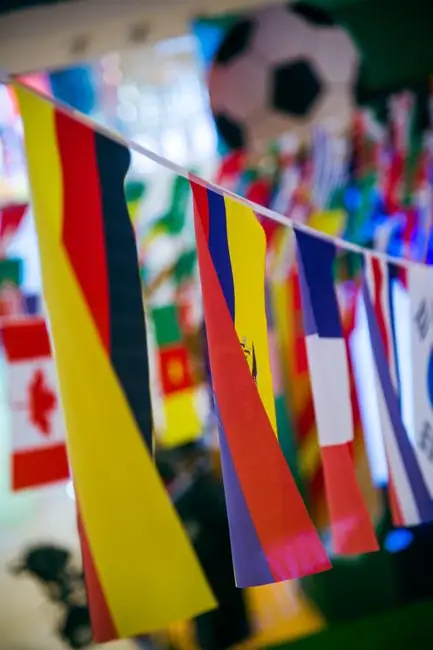
If you want cloth flags for a sports day or a classroom pole, the designs can go to a printer, and the notes on printing a flag you have designed cover what a print shop needs. Scanning them into one PDF gives you a class book that costs nothing.
One caution on sharing. If the flags go anywhere public, use first names only and check your school’s permission rules first.
Talking about what the colors and symbols mean
This is the half of the activity that carries the learning. Colors on flags act as shorthand. Blue often stands for water or sky, green for land or farming, gold for sun or grain, white for peace. Those links are common but not fixed, and the meanings behind flag colors come from a country’s own history rather than a universal code. Saying that out loud stops kids treating color meaning as a set of right answers.
Ask each child for one sentence per color and one for the main symbol. Written on a card next to the flag, it reads like a real flag description. Older students can pick up the proper words for what they have drawn, and the names for the parts of a flag give them field, hoist, fly and charge to use instead of background and side.
Build the class flags in the flag maker
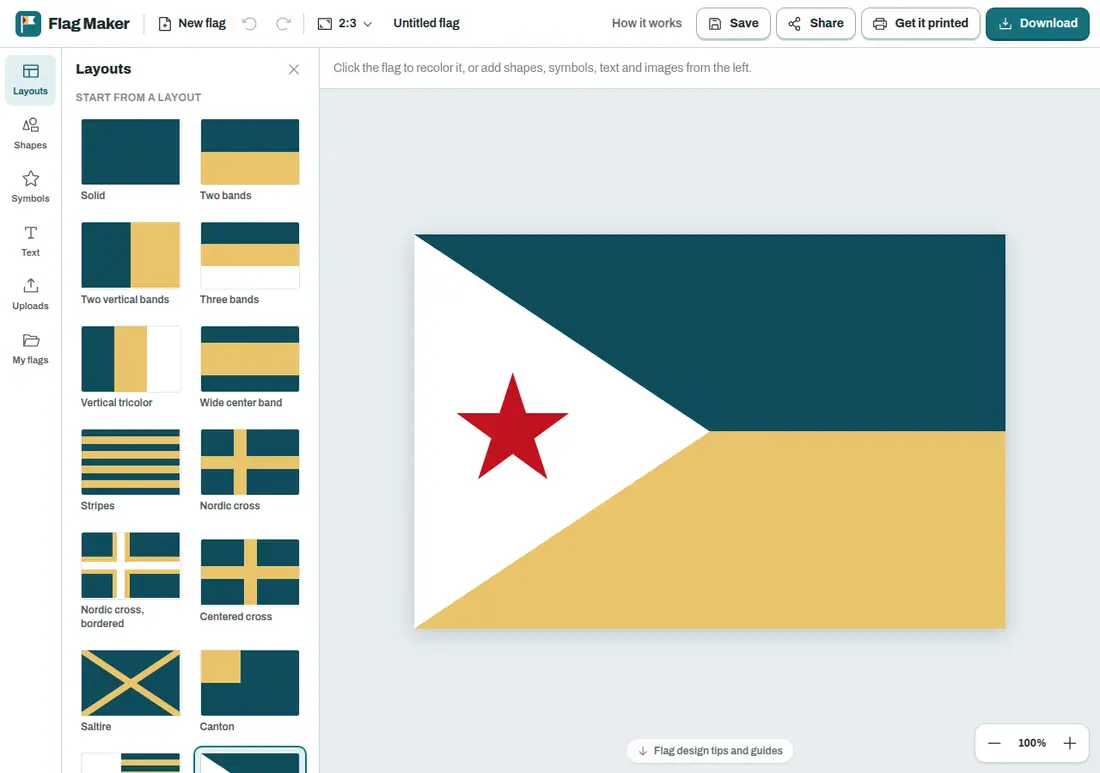
Once the paper versions are done, open Flag Maker Online and let the class rebuild their favorites on screen. It is free, it runs in a browser, and the fixed flag shapes mean nobody ends up with a square flag by accident. Export the finished designs, print them for the wall, and the activity ends with something the class can actually fly.
Frequently asked questions
How do I run a make your own flag activity for kids?
Show three simple real flags, hand out a blank rectangle in the 3 by 2 shape, and give four rules: three colors, no words, big shapes, and it has to mean something. Give them fifteen minutes to draw, then have everyone hold their flag up from across the room. That fits a 30 minute lesson.
What are good flag design ideas for school?
Prompts that name a real group work best. A flag for our class, our family, our reading corner, the school sports day team, or a treehouse or fort. Older kids like inventing an island or country and writing the story behind it. Avoid open prompts like draw any flag, which lead to drawings rather than flags.
Should kids draw the flag by hand or design it on a computer?
Both, in that order. Paper is faster to start, needs no logins and produces more variety in a short lesson. Designing on screen gives straight edges, exact colors and an undo button, and the file can be printed or shared. Rebuilding the best paper flags on screen makes a good second session.
What age can children start designing flags?
Around age five or six, if the rules are kept to two: three colors and big shapes. By seven or eight most kids can handle no lettering and explain what a symbol stands for. From about ten, add distinctiveness and ask for a written sentence on each color, which turns the activity into a short writing task.